
Overview
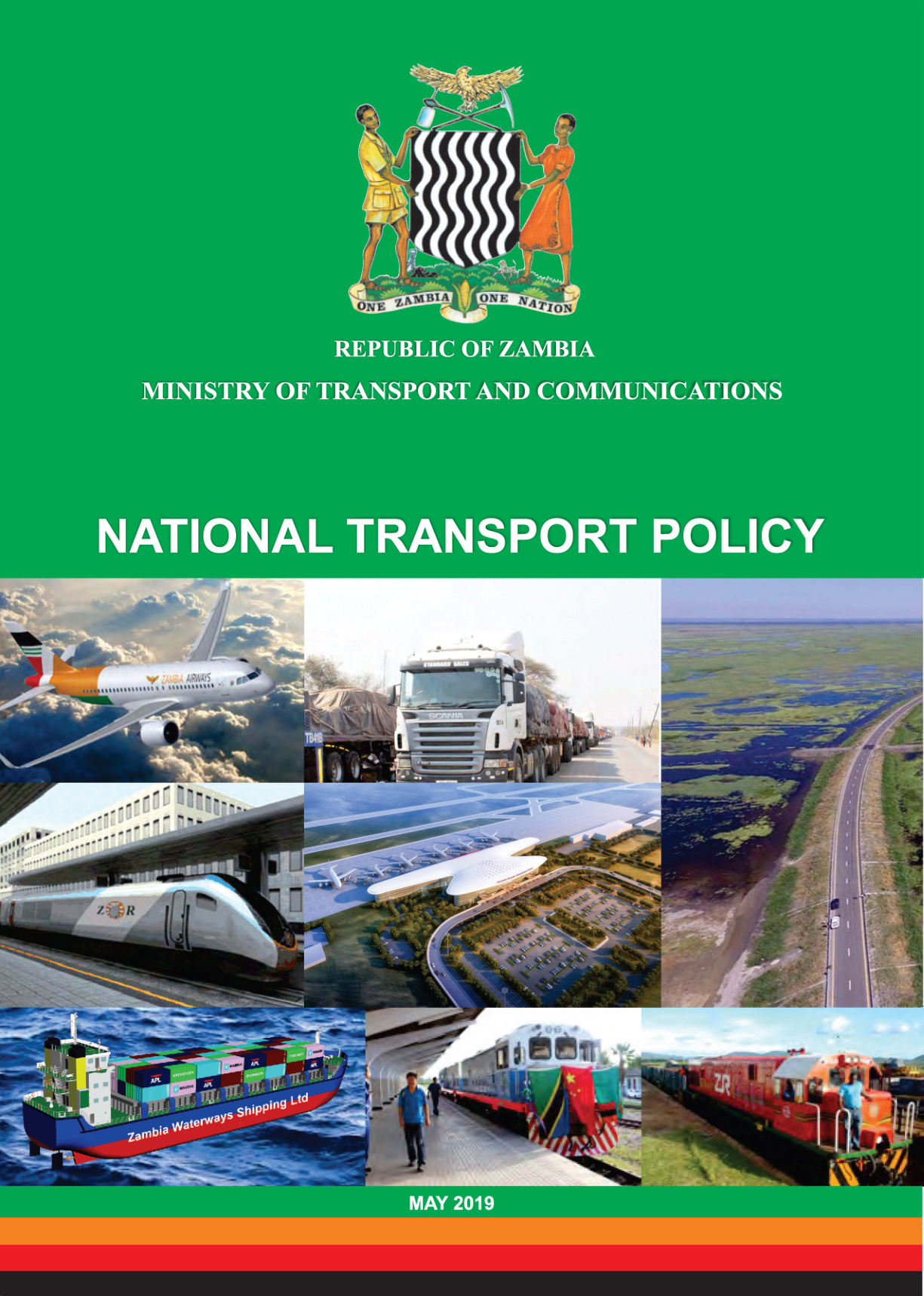
The policy updates the 2002 framework and outlines an intermodal approach to develop road, rail, air and inland waterway transport, with strong private sector participation under effective regulation. It diagnoses sector challenges—high transport costs, road safety concerns, outdated rail and waterway infrastructure, limited intermodal facilities, and fragmented institutional and legal mandates. Key objectives include harmonising road sector laws, shifting at least 30% of bulk and containerised cargo from road to rail, modernising aviation infrastructure and services, upgrading ports and waterways, and promoting non‑motorised transport. Cross‑cutting priorities address corridor competitiveness, environmental management, gender, disability inclusion, ICT/ITS adoption, and the safe transport of dangerous goods. The implementation framework assigns coordination to the Ministry of Transport and Communications, establishes inter‑ministerial and corridor coordination mechanisms, calls for legal reforms across modes, and promotes resource mobilisation through user‑pays instruments and PPPs. Monitoring and evaluation will follow a sector‑wide system with a mid‑term review after five years and a full evaluation after ten years.